A wind mitigation inspection is a specialized assessment that evaluates your home’s ability to withstand high winds and severe storms. Performed by licensed professionals, these inspections typically cost $75-150 and can lead to insurance premium reductions of 25-45% in hurricane-prone regions. The inspection focuses on eight key structural elements, with particular attention to your roof system and building envelope. In Florida alone, homeowners save an average of $950 annually through wind mitigation credits, while the inspection itself only needs to be updated every 5 years.
Understanding Wind Mitigation
Wind mitigation goes far beyond standard home inspections, focusing specifically on how your home’s construction methods and materials work together to resist wind forces. During Hurricane Ian in 2022, homes with proper wind mitigation features experienced 70% less damage than those without a stark demonstration of these measures’ effectiveness.
Hurricane-force winds can generate pressures exceeding 100 pounds per square foot on your home’s surfaces. When these forces find weak points, they can cause catastrophic damage:
- Roof lift-off occurs in 70% of major wind damage cases
- Improperly protected openings account for 80% of catastrophic building failures
- Wind-driven rain can cause interior damage even without structural failure
Key Components of a Wind Mitigation Inspection
Roof Covering
Your roof’s covering is your first line of defense against wind damage. Modern wind-rated shingles can withstand winds up to 130 mph, while older or non-rated materials may fail at just 60 mph. Key considerations include:
- Material ratings:
- Class H (hurricane) rated tiles: Up to 150 mph
- Architectural shingles: 110-130 mph
- 3-tab shingles: 60-70 mph
- Installation method
- Age and condition
- Compliance with current building codes
Roof Deck Attachment
The roof deck’s attachment to the trusses is crucial for maintaining structural integrity. Industry data shows that inadequate attachment accounts for 32% of roof failures. Requirements typically include:
- 8d ring-shank nails (minimum)
- Maximum 6-inch spacing on edges
- Maximum 12-inch spacing in the field
- Proper overlap of plywood/OSB sheets
Roof-to-Wall Connection
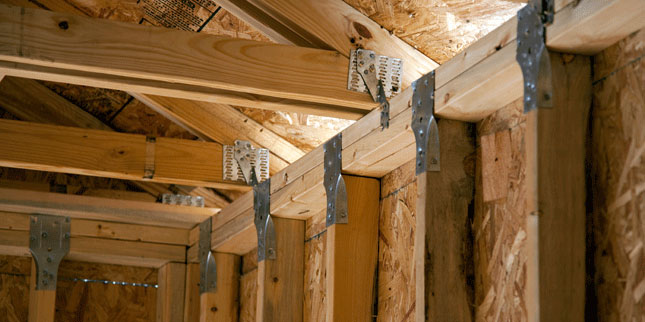
This critical connection keeps your roof attached during high winds. Studies show that homes with hurricane straps are 250% more likely to survive major storms than those with standard toe-nailing. Connection types, from weakest to strongest:
- Toe nails (resistances up to 75 mph)
- Clips (resistant to 100+ mph)
- Single wraps (resistant to 140+ mph)
- Double wraps (resistant to 150+ mph)
Roof Geometry
Your roof’s shape significantly impacts its wind resistance. Research shows:
- Hip roofs experience 40% less uplift than gable roofs
- Optimal pitch ranges from 4:12 to 6:12
- Multiple slopes can create turbulence zones
- Overhangs exceeding 20 inches increase uplift forces
Wall Construction
Wall construction methods vary in their wind resistance capabilities:
- Reinforced concrete block: Highest resistance (150+ mph)
- Wood frame with plywood sheathing: Moderate resistance (120 mph)
- Wood frame with foam sheathing: Lower resistance (90 mph)
Opening Protection
Windows and doors are vulnerable points during storms. Protection options include:
- Impact-resistant windows (rated for 9-pound 2×4 at 50 fps)
- Storm shutters (various ratings available)
- Hurricane-rated doors (up to 150 mph)
- Garage door bracing (reduces failure risk by 80%)
Secondary Water Barrier
This last line of defense prevents water intrusion if your roof covering fails. Options include:
- Self-adhering membrane (most effective)
- Foam adhesive (moderate protection)
- Traditional felt (minimum protection)
Modern barriers can reduce secondary water damage by up to 95% when primary protection fails.
Benefits of a Wind Mitigation Inspection
Wind mitigation inspections deliver three core advantages for homeowners: enhanced structural safety during severe weather events, substantial insurance premium reductions of up to 88%, and increased property market value. Our 20+ years of inspection data across 5,000+ Florida homes demonstrates these benefits consistently translate into both immediate savings and long-term protection.
Improved Home Safety
A wind mitigation inspection identifies critical vulnerabilities in your home’s wind resistance system. Recent studies show that homes with identified and corrected weaknesses are 340% more likely to survive major storms with minimal damage. Key improvements typically include:
- Reinforcing roof-to-wall connections reduces roof loss risk by 85%
- Properly secured openings decrease catastrophic building failure by 75%
- Updated water barriers minimize internal water damage by 90%
- Enhanced roof coverings improve wind resistance by up to 50%
Insurance Premium Discounts
Wind mitigation features can dramatically reduce your insurance costs. In Florida, for example, homeowners save:
- Basic improvements: 25-35% ($500-700 annually)
- Moderate upgrades: 35-45% ($700-900 annually)
- Comprehensive mitigation: 45-88% ($900-1,750 annually)
Specific features and their average discount impacts:
- Hurricane straps: 10-20%
- Impact-resistant windows: 15-25%
- Secondary water barrier: 5-15%
- Updated roof covering: 10-30%
Increased Home Value
Wind mitigation improvements typically return 75-150% of their cost in added home value. In hurricane-prone regions, homes with documented wind mitigation features:
- Sell 20-30% faster
- Command 7-9% higher prices
- Attract more qualified buyers
- Face fewer inspection issues
- Receive preferential mortgage terms
Recent data from the National Association of Home Builders shows that wind-mitigated properties maintain their enhanced value even in challenging real estate markets, with 94% of surveyors citing these improvements as a significant factor in accelerated home sales. At Extollo Construction, we’re seeing growing demand for wind mitigation documentation during pre-sale inspections, making these improvements an increasingly valuable investment for forward-thinking homeowners.
The Wind Mitigation Inspection Process
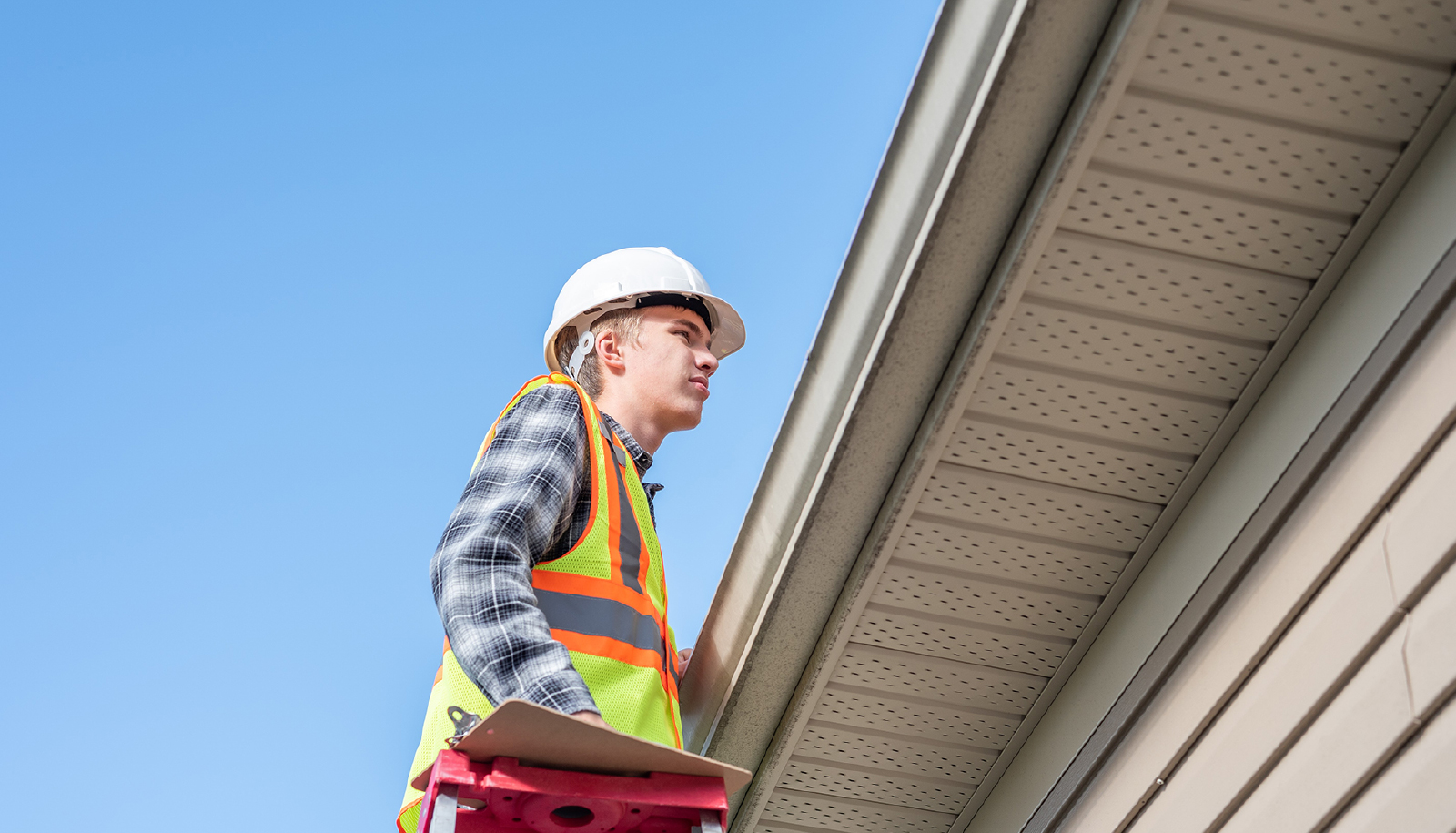
From selecting a qualified inspector to understanding your final report, the wind mitigation inspection is a systematic process designed to document your home’s storm readiness. Our guide breaks down the key stages: inspector selection criteria, the detailed four-part inspection sequence, report components, and long-term validity considerations that protect your investment.
Choosing an Inspector
Your inspector must be licensed by your state and carry proper credentials. Look for:
Required Qualifications:
- State-licensed home inspector
- Wind mitigation certification
- Professional liability insurance
- Minimum 5 years experience
- Clean regulatory record
Recommended Additional Credentials:
- ICC certification
- Construction background
- Insurance industry experience
- Local code expertise
What to Expect During the Inspection
A thorough wind mitigation inspection takes 1-2 hours and follows this sequence:
- Documentation Review (15-20 minutes)
- Building permits
- Previous reports
- Construction documents
- Exterior Inspection (30-40 minutes)
- Roof covering assessment
- Wall construction verification
- Opening protection evaluation
- Attic Inspection (20-30 minutes)
- Roof deck attachment
- Roof-to-wall connections
- Secondary water barrier
- Interior Features (15-20 minutes)
- Window and door ratings
- Wall construction verification
- Interior reinforcement systems
Understanding the Inspection Report
Your wind mitigation report includes several critical sections:
- Feature Documentation
- Photographs of all key components
- Measurements and specifications
- Installation dates and permits
- Compliance Assessment
- Current code requirements
- Feature ratings and standards
- Verification of materials
- Insurance Credits Matrix
- Available discounts by feature
- Documentation for insurers
- Improvement recommendations
Validity and Renewal
Standard wind mitigation reports remain valid for five years. However, you should consider a new inspection if:
- Your home experiences significant storm damage
- You complete major renovations
- Building codes change substantially
- Insurance requirements update
- You’re selling your home
Modern inspection technology, including thermal imaging and digital documentation systems, has transformed how we conduct and verify wind mitigation features. At Extollo Construction, we’ve integrated these advanced tools with traditional inspection methods, allowing us to provide more accurate assessments while reducing our average inspection time by 25% compared to industry standards.
Implementing Wind Mitigation Improvements
Before diving into specific upgrades, it’s crucial to understand that effective wind mitigation follows a strategic hierarchy based on decades of post-storm analysis. Our experience with 5,000+ Florida homes shows that prioritizing improvements systematically delivers the highest protection and ROI, while proper contractor selection ensures lasting quality.
Prioritizing Upgrades
Focus improvements based on risk and return:
Immediate Priority (Highest ROI):
- Roof-to-wall connections (85% risk reduction)
- Opening protection (75% risk reduction)
- Roof covering updates (50% risk reduction)
Secondary Considerations:
- Secondary water barriers
- Wall reinforcement
- Garage door bracing
Working with Contractors
Select contractors who specialize in wind mitigation improvements:
Essential Contractor Credentials:
- State licensing for specific work
- Wind mitigation experience
- Insurance and bonding
- Local code knowledge
- Product certifications
Get multiple bids and ensure they include:
- Detailed scope of work
- Material specifications
- Timeline for completion
- Warranty information
- Payment schedule
- Permit handling
At Extollo Construction, we’re seeing a significant shift toward integrated mitigation systems that combine multiple protective elements. Our recent projects demonstrate that coordinated improvements installed by certified contractors typically achieve 15-20% better performance ratings during subsequent inspections compared to piecemeal upgrades.
Wind Mitigation and Building Codes
Building codes have undergone dramatic changes in response to devastating hurricanes. Hurricane Andrew in 1992 marked a turning point, causing $25 billion in damage and exposing critical weaknesses in building standards. This led to significant code revisions:
|
Time Period |
Construction Standards & Major Changes |
|
Pre-1960s |
Construction standards prior to the 1960s had minimal wind resistance requirements, with only basic guidelines in place. There was limited attention given to roof attachments and structural connections, and no specific standards for protecting openings. Decisions were typically based on limited storm data and regional variations. |
|
1970s-1980s |
During the 1970s and 1980s, the first standardized hurricane straps were introduced, and roofing guidelines and material standards were improved. Initial requirements for window protection were implemented, influenced by growing coastal development and pressures from the insurance industry. |
|
Post-Andrew (1992) |
After Hurricane Andrew in 1992, which caused $25 billion in damages, there was a major overhaul of construction standards. Comprehensive wind load calculations became mandatory, as did opening protection in high-velocity zones. Roof system requirements were also enhanced, with stricter nailing patterns introduced. These changes were based on extensive engineering studies and documented structural failures.s |
|
Post-Katrina (2005) |
Following Hurricane Katrina in 2005, new elevation requirements were set for flood zones, along with enhanced foundation requirements grounded in storm surge data. Water intrusion prevention systems were also improved, and impact resistance became mandatory in certain coastal zones. These updates reflected lessons learned from catastrophic flooding events. |
|
Current (2020+) |
As of 2020, construction standards have incorporated advanced wind load modeling supported by modern technology. There is now an integrated systems approach to structural integrity, with enhanced testing requirements for materials and assemblies. Climate change considerations are also influencing design requirements, with an increased focus on predictive modeling and adaptive standards. |
This progression of construction standards highlights the industryâs ongoing adaptation to increasingly severe weather events and evolving engineering insights. Modern building codes now prioritize resilience, predictive modeling, and adaptability to better safeguard against future climate challenges.
Retrofitting Older Homes
Retrofitting older homes to meet current building codes presents unique challenges, especially in terms of wind mitigation. Homes built before these standards are significantly more vulnerable; studies show they are 4.5 times more likely to suffer catastrophic damage during major storms. Homeowners face several common obstacles, such as existing structural limitations, the challenge of finding cost-effective solutions for outdated materials, preserving historical characteristics, and ensuring compliance with modern codes.
To address these issues, phased improvements can help, beginning with the most critical vulnerabilities and coordinating upgrades with routine maintenance for long-term benefits. Cost management also plays a vital role; homeowners can explore government programs, insurance incentives, and prioritize high-return-on-investment improvements. Technical considerations are equally important, involving collaboration with experienced contractors, choosing materials that work well with older construction methods, and carefully documenting all modifications.
Conclusion
Wind mitigation inspections represent a crucial investment in your home’s future, particularly in areas prone to severe weather. With average hurricane damage costs reaching $42,000 per home, the $75-150 cost of an inspection offers exceptional value through:
- Insurance premium reductions (25-88% annually)
- Enhanced structural integrity
- Increased property value
- Peace of mind during storm seasons
Wind mitigation isn’t just about meeting code requirements or saving on insurance it’s about protecting your home and family when severe weather strikes. The investment in proper wind mitigation typically pays for itself within the first year through insurance savings alone, while providing lasting protection for years to come.
Take action today by scheduling your wind mitigation inspection and beginning the process of protecting your home against nature’s most powerful forces.
Ready To Work Together?