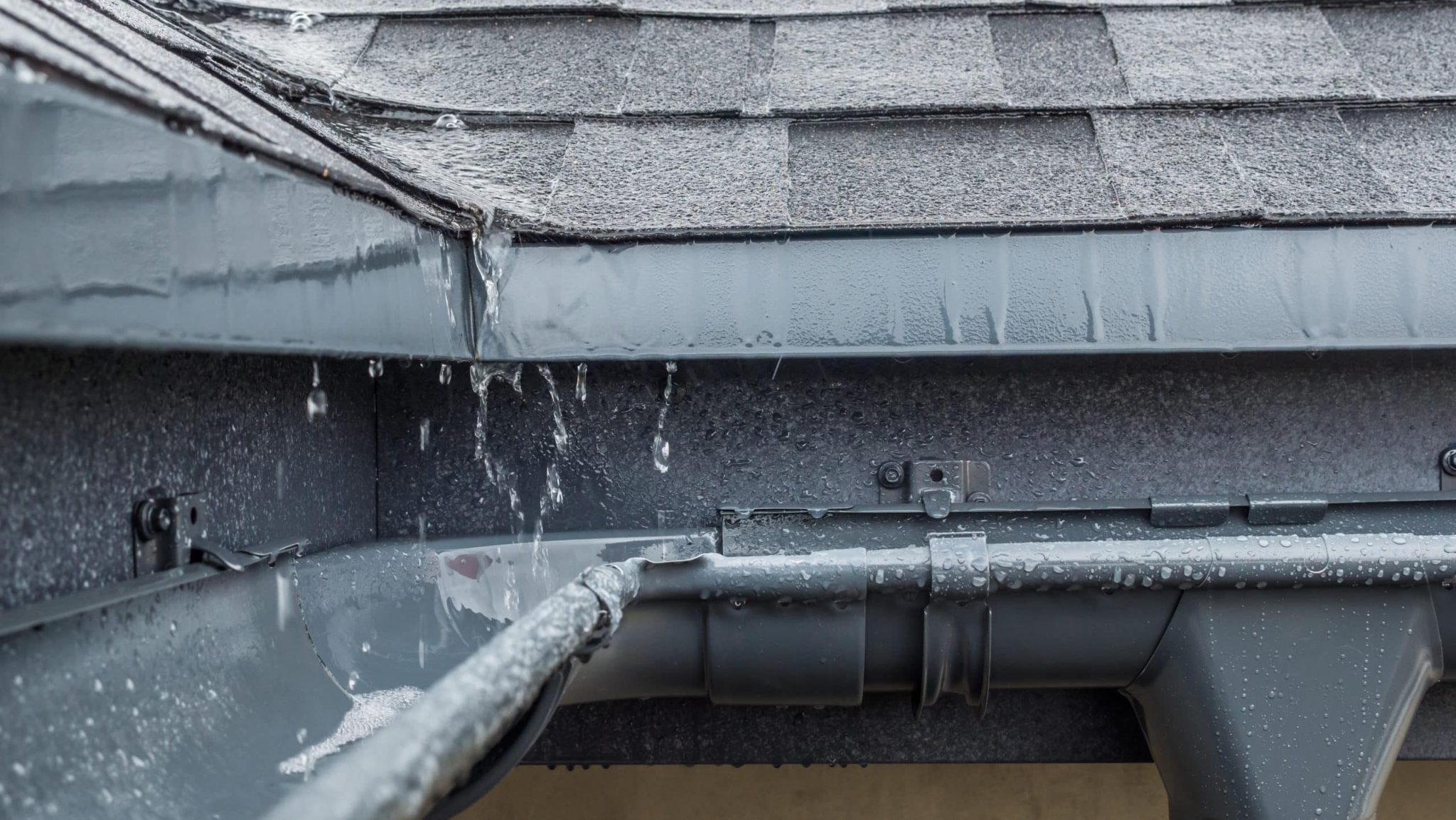
Your homeowners insurance typically covers roof leaks caused by sudden, accidental events like storms, fallen trees, or hail damage. According to industry data, insurers paid out over $8.9 billion in storm-related roof claims in 2023. However, most policies won’t cover leaks resulting from normal wear and tear or poor maintenance. When you discover a leak, document the damage immediately and contact your insurance provider within 24-48 hours – prompt action can mean the difference between a covered claim and an out-of-pocket expense.
Roof Leaks and Homeowners Insurance
Navigating roof leak coverage can be complex, with policies varying significantly in their terms and conditions. As a roofing contractor with over 20 years of experience handling insurance claims, I’ve seen countless homeowners struggle with understanding their coverage. The average roof leak repair costs between $450 and $2,500, but without proper coverage, these expenses can soar, especially if water damage extends into your home’s structure.
Common concerns we hear from homeowners include:
- Whether age-related deterioration is covered
- How deductibles affect roof leak claims
- If insurance will pay for a full replacement
- Whether previous repairs impact coverage
- What documentation is needed for claims
Understanding Homeowners Insurance Coverage
Your homeowners policy typically includes several key components:
- Dwelling coverage (Coverage A): Protects your home’s structure, including the roof
- Personal property coverage (Coverage B): Covers belongings damaged by roof leaks
- Loss of use coverage: Pays for temporary housing if a roof leak makes your home uninhabitable
- Liability protection: Covers accidents related to roof issues
Most policies cover your roof under the dwelling portion, with coverage limits typically set at 100% of your home’s insured value.
Covered Perils
Standard homeowners policies typically cover roof leaks caused by:
- Wind damage (gusts over 35 mph)
- Hail impact
- Falling objects (trees, branches)
- Weight of ice, snow, or sleet
- Fire damage
- Lightning strikes
- Vandalism
- Vehicle impact
Types of Damage: Sudden vs. Gradual
Insurance companies make a crucial distinction between sudden, accidental damage and gradual deterioration:
|
Sudden Damage (Usually Covered) |
Gradual Damage (Usually Not Covered) |
|
Storm tears off shingles |
Shingles wearing out over time |
|
Tree falls on roof |
Ongoing leaks that weren’t addressed |
|
Hail punctures roofing material |
Mold growth from persistent moisture |
|
Lightning strikes cause fire damage |
Damage from lack of maintenance |
Industry statistics show that 95% of roof leak claims stem from sudden, accidental events, while only about 5% result from gradual wear and tear. Understanding this distinction is crucial for maintaining appropriate coverage and knowing when to file a claim.
When Does Homeowners Insurance Cover Roof Leaks?
Covered Scenarios
Based on our extensive experience handling over 5,000 roof claims, here are the most common covered scenarios and what you can expect:
|
Type of Damage |
Coverage Details |
Claim Range |
Requirements |
|
Storm Damage |
Wind damage (35+ mph): Covers torn or missing shingles |
$2,500 – $7,000 |
Must report within 14-30 days (varies by insurer) |
|
Hail Impact |
Repairs for quarter-sized hail damage |
$3,000 – $15,000 |
Must report within 14-30 days (varies by insurer) |
|
Falling Objects |
Full coverage usually includes tree/branch removal and repair |
$5,000 – $12,000 |
Must document event timing and immediate damage |
|
Ice and Snow Weight |
Coverage kicks in at 1.5 inches of ice or 4+ inches of packed snow |
$2,000 – $8,000 |
Required documentation: Weather reports and immediate damage photos |
|
Fire and Lightning |
100% coverage for direct strikes or fire damage |
$7,000 – $25,000 |
Must file within 48-72 hours of incident |
Coverage for Water Damage
When your roof leaks from a covered event, insurance typically provides comprehensive protection:
- Initial water damage cleanup: $500-$2,500
- Drywall repair/replacement: $200-$800 per panel
- Insulation replacement: $1.50-$3.50 per square foot
- Ceiling repair: $45-$90 per square foot
- Electrical system inspection/repair: $150-$500
- Mold remediation (if addressed promptly): Up to $10,000
Critical Timeline: Document and report water damage within 24-48 hours to ensure coverage.
Additional Living Expenses (ALE)
If a covered roof leak makes your home uninhabitable, ALE coverage typically provides:
- Hotel costs: Up to $150-$300 per day
- Temporary rental: Market rate for comparable housing
- Extra food expenses: Usually 20% above normal
- Storage fees: $50-$200 monthly if needed
- Coverage duration: Usually up to 12 months or 20% of dwelling coverage
Exclusions and Limitations
Wear and Tear
Insurance companies don’t cover normal aging because:
- It’s considered maintenance, not an accident
- Average roof lifespan is predictable (20-30 years for asphalt)
- Gradual deterioration is preventable
- Regular maintenance is the homeowner’s responsibility
Lack of Maintenance
Neglecting routine maintenance can void coverage. Required maintenance typically includes:
- Annual professional inspections ($200-$500)
- Gutter cleaning every 6 months
- Prompt repair of minor issues
- Documentation of all maintenance work
Pre-existing Damage
Insurance won’t cover pre-existing issues because:
- They occurred before policy activation
- They’re considered known conditions
- They often indicate neglected maintenance
- They’re typically visible during policy inspection
Specific Natural Disasters
Standard policies exclude:
- Floods (requires separate NFIP coverage)
- Earthquakes (separate policy needed)
- Hurricane damage in high-risk zones
- Mudslides or landslides
- Storm surge
Important: Review your policy annually and consider additional coverage based on your location’s specific risks. In coastal areas, wind damage might require a separate policy, while homes in flood zones need NFIP coverage.
Factors Affecting Coverage
Most insurance companies consider your roof’s age as a primary factor in determining coverage. After 15 years, many insurers begin reducing coverage or increasing premiums. Once your roof passes 20 years, you might face coverage restrictions or even denial of coverage until you replace the roof. Some carriers require a professional inspection to maintain full coverage on roofs over 15 years old.
The type of policy you hold significantly impacts your coverage. With replacement cost value (RCV) policies, you’ll receive enough to replace your damaged roof with a new one of similar quality. For example, if a storm damages your 10-year-old architectural shingles, you’ll get the full $15,000 needed for new ones. However, with actual cash value (ACV) policies, that same claim might only pay out $7,500 after depreciation.
Your policy limits and deductibles directly affect your out-of-pocket expenses. Most policies set the dwelling coverage limit at your home’s replacement cost, but roof-specific sublimits may apply. A typical deductible ranges from $1,000 to $2,500, though some regions prone to severe weather may require higher deductibles of 1-5% of your home’s insured value.
Steps to Take When You Discover a Roof Leak
Immediate Actions
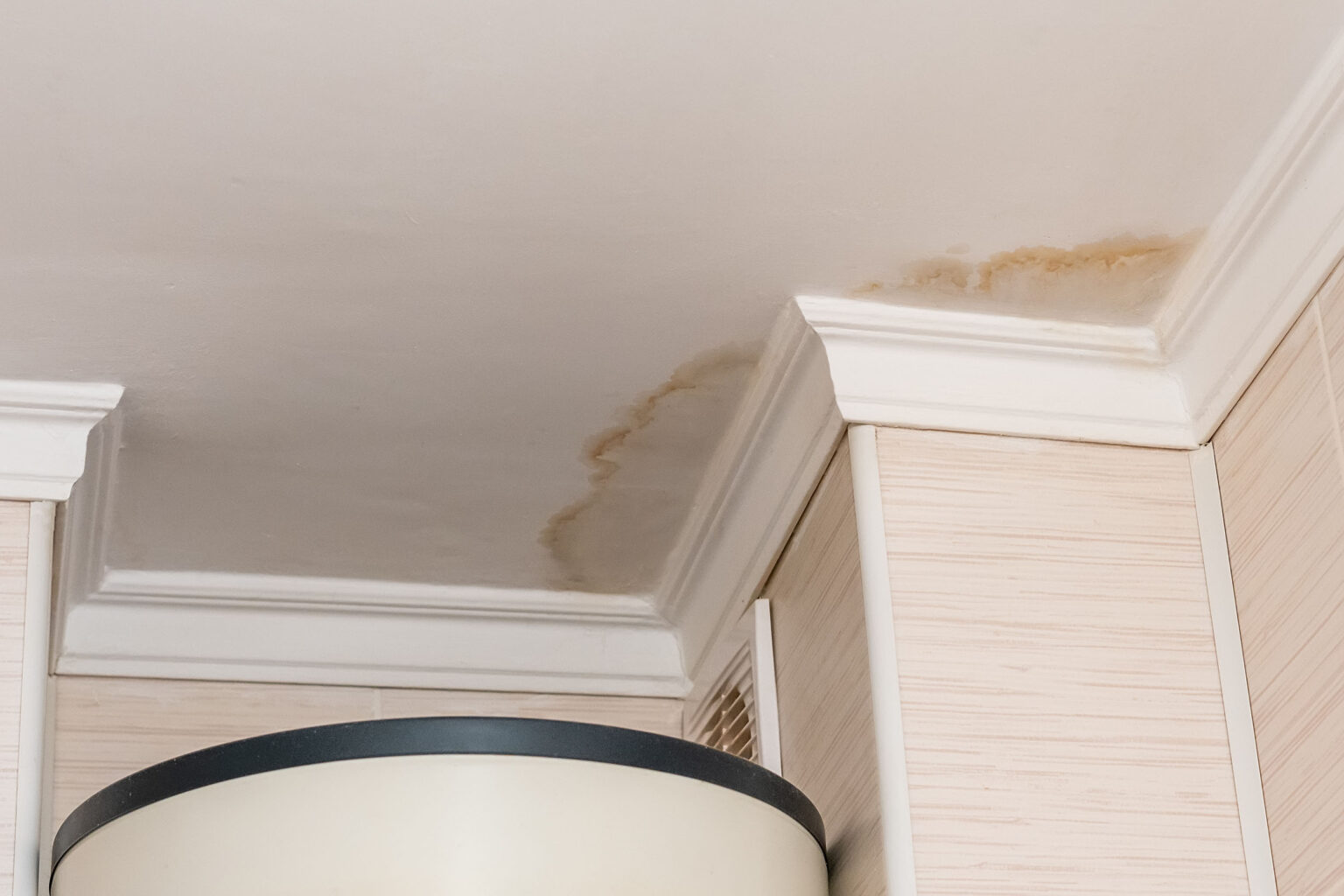
The moment you spot a leak, time becomes critical. First, contain the water using buckets and tarps to prevent further damage. Move furniture, electronics, and valuables away from the affected area. If water is spreading, puncture a small hole in the ceiling to drain it in a controlled manner – this prevents ceiling collapse and concentrates the damage in one area.
Professional Documentation and Assessment
Document everything immediately with clear, well-lit photos and video. Capture:
- The leak’s location and size
- Water damage patterns
- Affected personal property
- External roof damage (if visible and safely accessible)
- Time stamps on all documentation
Contact your insurance provider within 24 hours. They’ll assign an adjuster and guide you through their specific claim requirements. Don’t wait – most policies require prompt reporting, and delays can jeopardize your coverage.
When selecting a roofing contractor, choose one with extensive insurance claim experience. Look for:
- At least 10 years of local experience
- Proper licensing and insurance
- Strong BBB rating (A+ preferred)
- Experience working with your insurance carrier
- Detailed written estimates
The claims process typically follows this timeline:
- Initial report to insurance (24-48 hours)
- Adjuster inspection (3-5 days)
- Contractor assessment (1-2 days)
- Estimate approval (5-7 days)
- Repair scheduling (7-14 days)
- Final inspection and claim closure (1-2 days)
Preventing Roof Leaks and Maintaining Coverage
Prevention costs significantly less than repairs. A solid maintenance routine protects both your roof and your insurance coverage. Schedule professional inspections twice yearly – typically in spring and fall. These inspections should thoroughly examine all roofing components, including flashings, valleys, and penetration points.
Your maintenance routine should include:
Spring:
- Clear winter debris
- Check for ice dam damage
- Inspect attic ventilation
- Clean gutters and downspouts
Fall:
- Remove leaves and branches
- Inspect for summer storm damage
- Check seals around vents and chimneys
- Trim overhanging branches
Document every maintenance activity with dated photos and receipts. Create a digital folder for all roof-related records, including:
- Inspection reports
- Maintenance receipts
- Repair documentation
- Photos of your roof’s condition
- Contractor correspondence
Keep these records for at least five years – they’re invaluable when filing claims or disputing coverage decisions. Many insurance companies now offer premium discounts of 5-10% for well-documented maintenance programs.
Special Considerations
Older Homes
Insuring roofs on historic or older homes presents unique challenges that require careful consideration. Homes built before 1980 often feature construction methods and materials that aren’t commonly used today. Insurance companies typically require additional documentation and may impose stricter coverage limitations.
Key factors affecting older home roof coverage:
- Original construction materials might require specialized replacement
- Historic preservation requirements can increase repair costs by 25-40%
- Finding matching materials often involves custom manufacturing
- Outdated building codes may necessitate complete system updates
- Structural modifications might be required to support modern materials
Most insurers require homes over 50 years old to undergo comprehensive roof inspections every two years to maintain coverage. Consider working with insurance providers specializing in historic properties – they often offer better terms and understand the unique challenges these homes present.
Regional Factors
Your location significantly impacts both coverage options and premiums. In Florida, for example, hurricane deductibles typically range from 2-5% of your home’s value, while inland states might maintain standard $1,000 deductibles. Areas prone to specific weather events often have unique requirements:
Coastal Regions
- Higher wind damage deductibles
- Separate windstorm policies may be required
- More frequent inspection requirements
- Storm-rated materials often mandatory
Snow-Heavy Areas
- Ice dam coverage limitations
- Higher structural requirements
- Snow load capacity documentation
- Regular winter inspections required
Tornado Alley
- Impact-resistant material requirements
- Higher premium costs
- Stricter maintenance schedules
- Enhanced documentation needs
Insurance Policy Reviews
Review your roof coverage annually – insurance terms and your roof’s condition both change over time. During your review, consider:
- Has your roof’s age moved it into a different coverage category?
- Have local weather patterns changed, requiring additional coverage?
- Are there new insurance products that better suit your needs?
- Has your roof’s value changed due to material cost increases?
- Do you need to adjust coverage limits based on recent repairs?
Schedule these reviews 60 days before renewal to allow time for any necessary changes or provider switches.
Conclusion
Understanding your roof leak coverage is crucial for protecting one of your home’s most valuable components. Remember these key points:
Homeowners insurance typically covers sudden, accidental roof leaks but excludes wear and tear damage. The average roof leak claim ranges from $2,500 to $15,000, making proper coverage essential for financial protection.
Success in managing roof leak issues depends on:
- Understanding your policy’s specific coverage and limitations
- Maintaining detailed documentation of your roof’s condition and maintenance
- Acting quickly when leaks occur (within 24-48 hours)
- Working with qualified professionals for inspections and repairs
- Regularly reviewing and updating your coverage
Take action today by reviewing your current policy and scheduling a professional roof inspection. The small investment in prevention and maintenance can save thousands in potential repair costs and ensure you maintain comprehensive coverage when you need it most.
Remember, your roof protects everything beneath it – make sure your insurance properly protects your roof.
Ready To Work Together?